Table Content :
On-Page SEO Techniques:
Off-Page SEO Techniques:
Technical SEO Techniques:
On-Page-SEO Techniques:
URL Optimisation
In terms of SEO, it's important to optimize your URL structure. Let's discuss what a proper URL structure should look like and the key factors that should be kept in mind while doing SEO
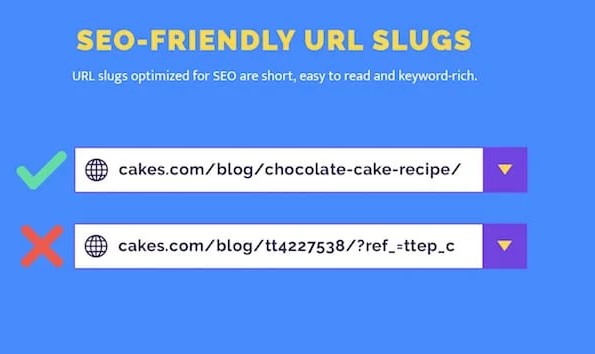
- Include Primary Keywords
- URLs should contain Hyphen(-) instead of Underscore(_) or another special characters
- Use lower case only
- it should be short and precise
- avoid uses of preposition
Title Tag Optimisation
The title tag is the text that appears at the top of a browser window or tab when a page is open, and it also serves as the clickable link in search engine results pages (SERPs). Here are the key components of title tag optimization:
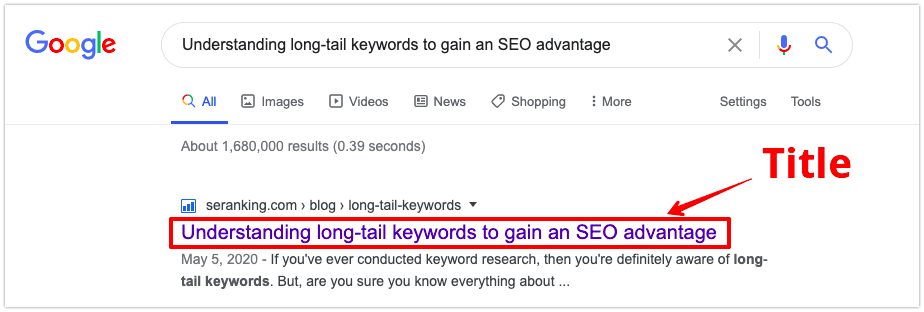
- Use Primary Keywords:Including primary keywords in your title tag is a good practice.
- Include Brand Name: Including your brand name in the title tag can enhance branding.
- Limit Character Count: It's generally recommended to keep title tags under 60 characters (including spaces) to ensure they fully display in search results without being truncated.
- Use Simple and User-Friendly Language: Using simple and user-friendly language in your title tag is a best practice.
- Avoid Keyword Stuffing: Avoiding keyword stuffing is essential. Keyword stuffing, which is the excessive and unnatural use of keywords, can harm your SEO efforts. Use keywords naturally and make sure they are relevant to the content.
Meta Description
A meta description, often referred to as a meta tag or meta snippet, is a brief summary or description of a web page's content. It is a part of the HTML code of a webpage and serves two primary purposes:
Search Engine Display: Meta descriptions are used by search engines to provide a brief preview of the content of a web page in search results. They are typically displayed just below the page title in search engine results pages (SERPs).
User Information: Meta descriptions also serve as a way to inform users about the content of the page before they visit it. When done effectively, they can entice users to click on the link by providing a compelling and concise overview of the page's relevance to their search query.
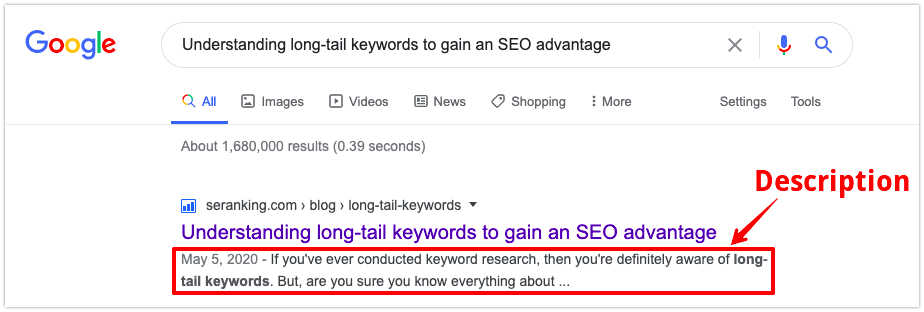
- Limit Character Count:Meta descriptions should typically be 150-160 characters to ensure they display fully in search results without being truncated.
- Relevant Keywords: Including relevant keywords in the meta description can improve its visibility in search results. This can help both search engines and users understand the content's relevance to a specific search query.
- Unique Meta Descriptions: It's a best practice for each page on your website to have a unique meta description.
ALT Text
Alt text, short for "alternative text," is a descriptive text attribute that is added to an HTML image tag.Alt text provides a textual description of an image, which can be read by screen readers for visually impaired individuals and is also used by search engines to understand the content of the image. Here's how to optimize alt text:
- Accurate, and Meaningful: Alt text should provide a brief, accurate, and meaningful description of the image, conveying essential information effectively.
- Conciseness: Alt text should generally be concise, ideally under 125 characters. While longer descriptions are acceptable when necessary, shorter alt text is often preferred for usability.
- Avoid Keyword Overloading: Overloading alt text with keywords should be avoided.The focus should be on providing a natural and valuable description for both users and search engines.
- Relevance of Keywords: Including keywords in alt text is acceptable when they are relevant to the image.. It should be done naturally and not forced.
Heading Tag
Heading tags, often referred to as HTML header tags or simply headers, are HTML elements used to define headings and subheadings within a web page's content. The primary heading tag is &h1, followed by subheadings in descending order of importance, such as &h2 &h3 &h4 and so on.

- Keyword Relevance: Including relevant keywords in the headings, especially in the h1 tag, is important for SEO. The main heading should accurately represent the page's primary topic or content.
- Single h1 Per Page: Each page should have only one h1 tag, which represents the primary topic. This reinforces clarity and SEO best practices.
- Content Hierarchy: A logical and hierarchical structure for headings is crucial. The main heading (typically h1) introduces the main topic, followed by subheadings (h2, h3, etc.) that break down the content into sections, improving content organization.
- Keywords Naturally: Incorporating keywords naturally into headings ensures that they read well and provide value to users. Avoid keyword stuffing or over-optimization, which can have a negative impact on SEO.
Internal Linking
These internal links are used to connect different pages on the same domain, allowing users and search engines to navigate through the site more efficiently.
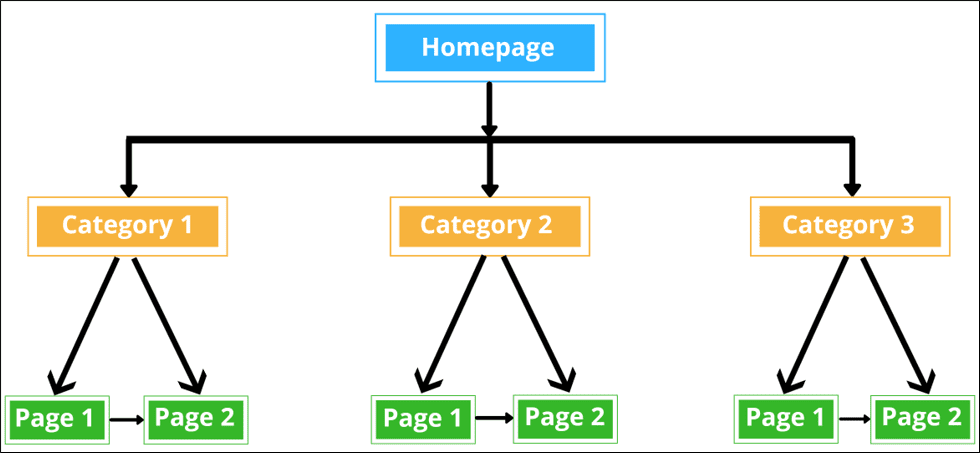
- Use Descriptive Anchor Text: When linking to other pages, use descriptive and relevant anchor text that provides context about the linked page's content. Avoid generic text like "click here."
- Relevant Links: Link to pages that are related to the content of the current page. This not only helps users find more relevant information but also signals to search engines the context of your content.
- Track Performance: Use web analytics tools to monitor the performance of your internal links.
Keyword Density
Keyword density is a metric used in search engine optimization (SEO) to measure the frequency of a specific keyword or keyphrase within a piece of content, typically expressed as a percentage. It is the ratio of how many times a particular keyword or keyphrase appears in the content to the total number of words in that content.
The formula for keyword density is:
Keyword Density = (Number of times keyword/keyphrase appears / Total number of words in the content) * 100
For example, if you have a 500-word article, and a specific keyword appears 10 times in that article, the keyword density would be:
(10 / 500) * 100 = 2%
Plagirism
In the context of SEO (Search Engine Optimization), plagiarism refers to the unethical practice of copying content from other websites or sources and using it on your own website without proper attribution or permission.
Search engines typically penalize websites for duplicate content, as they aim to provide unique and valuable content to their users.
Some websites use automated scripts or tools to scrape content from other sites and republish it as their own. This is a clear violation of copyright and can result in legal actions or penalties from search engines.
To maintain a strong and ethical SEO strategy, it's essential to create unique, valuable, and original content for your website.
Keyword cannibalization
Keyword cannibalization in SEO is a situation where multiple pages on a website target the same or very similar keywords or search queries, causing them to compete against each other in search engine rankings.
When multiple pages on a website are optimized for the same keyword, search engines may have difficulty determining which page should rank highest for that keyword.
Keyword cannibalization can confuse visitors when they find multiple pages with similar content but different information, making it harder for them to find the information they seek.
Optimizing Keyword Cannibalization:Conduct thorough keyword research to identify the most relevant and valuable keywords for your website. Ensure that each page targets a unique set of keywords that align with its content and purpose.
Review your website's content to identify pages that may be targeting the same keywords.
Create a keyword mapping strategy that assigns specific keywords to individual pages to ensure each page has a unique focus.